
Motorcycle Accidents in Chicago: Unique Risks and Legal Strategies

Share on Facebook
Share on X
Share on LinkedIn
Illinois has no motorcycle helmet law, so riding without one does not by itself defeat your injury claim. But because you recover nothing if you are found more than 50 percent at fault, how you handle the claim from day one can decide everything.

A motorcycle crash in Chicago can mean months of surgery, lost income, and a permanent change in how you move through the world. Riders are far more exposed in a crash than drivers, and the financial fallout often outlasts the physical recovery. Illinois law gives injured motorcyclists a path to compensation, but a missed deadline or an unguarded statement can close it for good. A Chicago motorcycle accident lawyer at Kolb Law can fight for the full cost of your injuries, your lost wages, and the long road ahead.

What Makes Motorcycle Accidents in Chicago So Dangerous?

Motorcyclists have no steel cage, airbags, or crumple zone, so a crash that would dent a car can put a rider in the hospital. The numbers reflect that exposure. Per mile traveled, motorcyclists are far more likely to be killed or seriously hurt than people in cars, according to federal crash data. In a dense city like Chicago, those risks multiply.

Common crash patterns across Cook County include:

  • Left-turn collisions, where a driver turns across a rider’s path at an intersection
  • Drivers who change lanes or merge without ever seeing a smaller motorcycle
  • Dooring, when someone opens a parked car door into a passing rider
  • Road hazards like potholes, broken pavement, and slick rail or bridge-grate surfaces
  • Vehicles pulling out from a side street, parking lot, or driveway

Heavy traffic on routes like Lake Shore Drive and the Kennedy leaves little room for error, and a single distracted driver can change a rider’s life in seconds. These overlapping hazards mean even routine rides can turn dangerous quickly, especially where visibility is limited and traffic decisions happen in seconds.

Does Illinois Require Motorcyclists to Wear a Helmet?

No. Illinois is one of only a few states with no motorcycle helmet law, so adult riders are not required to wear one. The state does require eye protection. Under the Illinois Vehicle Code, every rider and passenger must be protected by glasses, goggles, or a transparent shield while riding.

Even though helmets are not required, riding without one is still risky. Federal health researchers report that helmets sharply reduce the risk of a fatal head injury. And because there is no legal duty to wear one in Illinois, an insurer cannot simply point to a missing helmet to wipe out your claim. Adjusters may still argue that a helmet would have reduced your injuries, so it helps to have an attorney ready to answer that argument with medical evidence.

How Does Illinois Fault Law Affect a Motorcycle Claim?

Illinois uses a modified comparative negligence rule. You can recover damages as long as you are not found more than 50 percent at fault for the crash. If your share of the blame is 50 percent or less, your compensation is reduced by your percentage of fault. If it crosses the line to more than 50 percent, you recover nothing.

That threshold is exactly where insurers focus. Motorcyclists already face a stubborn bias, with adjusters and even jurors assuming that riders are reckless. So the other side often works to push a rider’s share of fault past the halfway mark, using a few miles per hour of speed or a question about lane position to argue you caused your own injuries. Building the record early, with the police report, witness accounts, and crash reconstruction, is how a rider keeps that fault number down and the claim alive.

How Long Do You Have to File a Motorcycle Accident Claim in Illinois?

In most cases, you have two years from the date of the crash to file a personal injury lawsuit in Illinois. Miss that window and the court will almost certainly throw the case out, no matter how badly you were hurt.

There are exceptions to this rule. For example, if a government vehicle was involved, such as a CTA bus or a City of Chicago truck, the deadline can drop to just one year. Because that clock starts on the day of the crash, waiting to call a lawyer can quietly cost you the entire claim.

What Should You Do After a Chicago Motorcycle Crash?

The steps you take in the first hours and days can make or break your claim. If you are able, protect yourself and your case by doing the following:

  • Call 911 and make sure the crash is documented in a police report
  • Get medical care right away, even if the pain seems minor at first
  • Photograph the scene, the vehicles, the road, and your injuries
  • Collect names and numbers for any witnesses
  • Avoid giving a recorded statement to the other driver’s insurer until you have legal advice

If the driver who hit you was drunk or high, your case may involve more than one at-fault party. Kolb Law also handles injury claims that involve impaired drivers. We investigate all cases to identify every available source of compensation.

Talk to a Chicago Motorcycle Accident Lawyer Today

A motorcycle crash should not leave you fighting the insurance company alone. Attorney John Kolb has recovered more than $40 million for injured clients across Illinois. We take motorcycle cases on a contingency basis, so you owe no attorneys’ fee unless we win. Contact Kolb Law today for a free consultation, and let us protect your record, your recovery, and your future.

About the Author
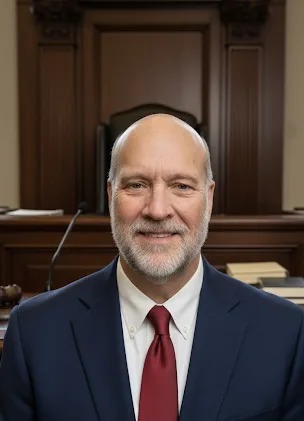
Attorney John P. Kolb is a veteran litigator specializing exclusively in plaintiff personal injury law within the greater Chicago metropolitan area. Licensed in Illinois since 1994, his professional career spans over 29 years, demonstrating a sustained commitment to aggressive client advocacy and substantial financial recovery for injured individuals.
Motorcycle Accidents in Chicago: Unique Risks and Legal Strategies
Illinois has no motorcycle helmet law, so riding without one does not by itself defeat your injury claim. But because you recover nothing if you are found more than 50 percent at fault, how you handle the claim from day one can decide everything.

A motorcycle crash in Chicago can mean months of surgery, lost income, and a permanent change in how you move through the world. Riders are far more exposed in a crash than drivers, and the financial fallout often outlasts the physical recovery. Illinois law gives injured motorcyclists a path to compensation, but a missed deadline or an unguarded statement can close it for good. A Chicago motorcycle accident lawyer at Kolb Law can fight for the full cost of your injuries, your lost wages, and the long road ahead.

What Makes Motorcycle Accidents in Chicago So Dangerous?

Motorcyclists have no steel cage, airbags, or crumple zone, so a crash that would dent a car can put a rider in the hospital. The numbers reflect that exposure. Per mile traveled, motorcyclists are far more likely to be killed or seriously hurt than people in cars, according to federal crash data. In a dense city like Chicago, those risks multiply.

Common crash patterns across Cook County include:

  • Left-turn collisions, where a driver turns across a rider’s path at an intersection
  • Drivers who change lanes or merge without ever seeing a smaller motorcycle
  • Dooring, when someone opens a parked car door into a passing rider
  • Road hazards like potholes, broken pavement, and slick rail or bridge-grate surfaces
  • Vehicles pulling out from a side street, parking lot, or driveway

Heavy traffic on routes like Lake Shore Drive and the Kennedy leaves little room for error, and a single distracted driver can change a rider’s life in seconds. These overlapping hazards mean even routine rides can turn dangerous quickly, especially where visibility is limited and traffic decisions happen in seconds.

Does Illinois Require Motorcyclists to Wear a Helmet?

No. Illinois is one of only a few states with no motorcycle helmet law, so adult riders are not required to wear one. The state does require eye protection. Under the Illinois Vehicle Code, every rider and passenger must be protected by glasses, goggles, or a transparent shield while riding.

Even though helmets are not required, riding without one is still risky. Federal health researchers report that helmets sharply reduce the risk of a fatal head injury. And because there is no legal duty to wear one in Illinois, an insurer cannot simply point to a missing helmet to wipe out your claim. Adjusters may still argue that a helmet would have reduced your injuries, so it helps to have an attorney ready to answer that argument with medical evidence.

How Does Illinois Fault Law Affect a Motorcycle Claim?

Illinois uses a modified comparative negligence rule. You can recover damages as long as you are not found more than 50 percent at fault for the crash. If your share of the blame is 50 percent or less, your compensation is reduced by your percentage of fault. If it crosses the line to more than 50 percent, you recover nothing.

That threshold is exactly where insurers focus. Motorcyclists already face a stubborn bias, with adjusters and even jurors assuming that riders are reckless. So the other side often works to push a rider’s share of fault past the halfway mark, using a few miles per hour of speed or a question about lane position to argue you caused your own injuries. Building the record early, with the police report, witness accounts, and crash reconstruction, is how a rider keeps that fault number down and the claim alive.

How Long Do You Have to File a Motorcycle Accident Claim in Illinois?

In most cases, you have two years from the date of the crash to file a personal injury lawsuit in Illinois. Miss that window and the court will almost certainly throw the case out, no matter how badly you were hurt.

There are exceptions to this rule. For example, if a government vehicle was involved, such as a CTA bus or a City of Chicago truck, the deadline can drop to just one year. Because that clock starts on the day of the crash, waiting to call a lawyer can quietly cost you the entire claim.

What Should You Do After a Chicago Motorcycle Crash?

The steps you take in the first hours and days can make or break your claim. If you are able, protect yourself and your case by doing the following:

  • Call 911 and make sure the crash is documented in a police report
  • Get medical care right away, even if the pain seems minor at first
  • Photograph the scene, the vehicles, the road, and your injuries
  • Collect names and numbers for any witnesses
  • Avoid giving a recorded statement to the other driver’s insurer until you have legal advice

If the driver who hit you was drunk or high, your case may involve more than one at-fault party. Kolb Law also handles injury claims that involve impaired drivers. We investigate all cases to identify every available source of compensation.

Talk to a Chicago Motorcycle Accident Lawyer Today

A motorcycle crash should not leave you fighting the insurance company alone. Attorney John Kolb has recovered more than $40 million for injured clients across Illinois. We take motorcycle cases on a contingency basis, so you owe no attorneys’ fee unless we win. Contact Kolb Law today for a free consultation, and let us protect your record, your recovery, and your future.

About the Author
Attorney John P. Kolb is a veteran litigator specializing exclusively in plaintiff personal injury law within the greater Chicago metropolitan area. Licensed in Illinois since 1994, his professional career spans over 29 years, demonstrating a sustained commitment to aggressive client advocacy and substantial financial recovery for injured individuals.
John P. Kolb Atty, LTD | Attorney Advertising
Website developed in accordance with Web Content Accessibility Guidelines 2.2.
If you encounter any issues while using this site, please contact us: 708.708.5555